


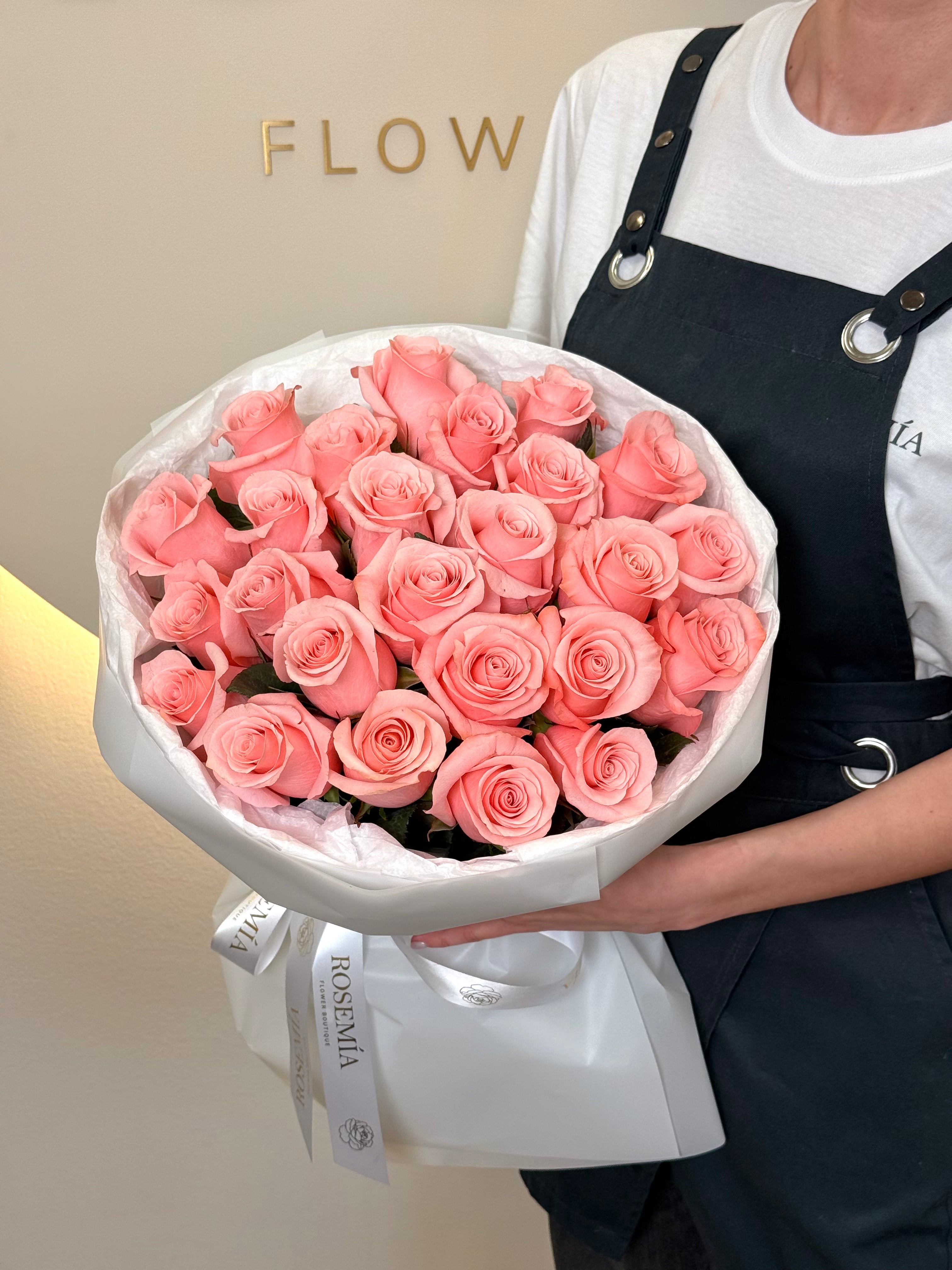
A fresh bouquet is a great decoration for any space. Flowers add a positive vibe, lower stress, and lift your mood. The only bad thing is that they wilt. You may believe cut flowers only last four or five days, but that is not so. With little knowledge and some simple habits, most bouquets can stay beautiful for two weeks or even longer.
The cut flowers are still alive. Even when cut, they continue to breathe and generate energy from light. If you create the right conditions and remove things that stress the flowers, they will stay fresh and blooming for longer.
Here are five tips from florists on how to care for your bouquet.
1. The Foundation: Hygiene and Water Chemistry
If you want your flowers to please your eyes for long, you should act before you actually bring them home. Not everyone knows that the greatest threat to a bloom isn't age but bacteria.
The Sterile Vase
If you put flowers in a vase that hasn’t been cleaned well, you expose them to lots of tiny germs. Bacteria grow quickly in water and can get into the flower stems. There, they create a little clog which blocks water. So, wash the vase with hot, soapy water, and rinse well. The water inside must be clean.
Water Temperature and Quality
Flowers will not live in any water. Most of them love lukewarm or room-temperature water. This is the temperature at which the stems absorb best.
However, this rule doesn’t work for bulb flowers. Tulips, daffodils, and hyacinths prefer cold water. They bloom in the early spring, and cold water keeps their stems firm and prevents them from fading too quickly.
Flower Food
Those small plastic packets attached to your bouquet are more than just a gimmick. They contain a three-part scientific formula designed to sustain life:
Carbohydrates (Sugar). Provides the energy the flower no longer gets from photosynthesis.
Acidifiers. Lowers the water's pH. Flowers prefer slightly acidic water (pH 3.5–4.5), which helps them hydrate faster.
Biocides (bleach/disinfectants). Keeps the bacterial population at bay.
You can prepare flower food at home. Mix one teaspoon of sugar, two teaspoons of lemon juice, and a single drop of clear bleach into a quart of water. The sugar feeds, the lemon acidifies, and the bleach cleans.
2. The Science of the Stem Cut
Most people don’t know that cutting flower stems the right way makes a big difference. A proper cut helps your bouquet stay fresh for weeks. A bad one can make flowers wilt in just days. When flowers are cut at the farm or shop, the stem ends dry out fast. Air gets inside and blocks water from traveling up to the blooms. That's why you should always trim the stems again right before putting them in a vase.
The 45-Degree Angle
Always cut your stems at a 45-degree angle. It serves two vital purposes. First, it allows for maximum water uptake. Second, it prevents the stem from sitting flat against the bottom of the vase. If a stem is cut straight across and sits flush against the glass, the weight of the flower can create a vacuum seal and affect hydration.
Use the Right Tool
Never use standard kitchen scissors, as these blades are often dull. You will simply crush the stem. Instead, use sharp floral snips or a high-quality knife. A clean, surgical slice ensures the internal structures remain open and functional.
The Under-Water Trick
Try cutting the stems when they are submerged in a bowl of water. This way, no air bubbles can enter the stem. An air bubble in a stem stops the flow of life-sustaining fluids immediately.
3. Remove Leaves Below the Waterline
One of the most common mistakes is leaving leaves on the bottom of the stems. If you ignore this, the water will get smelly and cloudy in just a few days.
Strip the Stems
No organic matter should exist below the waterline. Leaves contain bacteria and fungi, and they quickly begin to break down and ferment in the water. This way, flowers absorb a lot of toxins. So, take the time to strip the bottom two-thirds of every stem.
Remove Guard Petals
Some flowers, for example, roses, have guard petals. They are often thicker and may even have a slightly different color. Their purpose in nature is to protect the delicate inner bud. You can gently remove them to allow the flower to open more fully and look more vibrant.
Manage Ethylene Gas
As flowers get older, they release ethylene. This gas tells the plant that it’s time to fade and die. When you remove wilted flowers or yellow leaves right away, you lower the amount of ethylene in the vase. This helps the healthy flowers stay fresh for a longer time.
4. Choose The Right Location
Now, think about where you will put your flowers. Note that if you place your bouquet in the wrong part of the house, it will be dead in 48 hours. Flowers are highly sensitive to their microclimate.
Avoid Heat and Light
Sunlight is good for growing plants. However, it can quickly damage a cut flower. When your bouquet receives too much sunlight, it burns its energy reserves very quickly. Keep your bouquet in a cool, shaded area. Windowsills, the tops of radiators, or spots near fireplaces are a really bad choice.
Avoid Fruits
Many people don’t know it, but ripening fruits emit ethylene gas. If you place a bouquet of carnations or lilies next to bananas, the flowers will often wilt and drop their petals within a single day.
Avoid Drafts
Flowers do best in gentle conditions. If you put a bouquet under an air conditioner or fan, the moving air will dry out the petals faster than the stem can replace the moisture. To help your flowers last, keep them in a quiet spot with still air and a steady temperature.
5. Take Care Early, Not Too Late
It’s always better to prevent problems than to try to fix them later.
Check your flowers every day. It’s a good habit to inspect your flowers daily and remove faded blooms. Also, check the water and change it if it starts to smell. Check the stems - they may need to be trimmed again. Also, control that no leaves are in the water, as they will start to rot.
Know that flowers change over time. A bouquet doesn’t look the same every day. First come tight buds, then full blooms, and later a softer, drying look. Some flowers are sold in buds which open a little every day. It’s a nice process to watch. Others may start drying beautifully. Enjoy each stage instead of expecting flowers to stay perfect.
Choose flowers carefully. When you buy flowers for yourself, pick bouquets with buds that are just starting to open. The leaves and petals must be fresh. Such flowers will last longer at home.
Conclusion
Even if you know nothing about flower care, this article provides the basic information. You only need a little attention and a few minutes each day. If you really want to keep your flowers alive for longer, follow the above rules. There is nothing complicated here.
Next time you buy or receive flowers, remember they fully depend on you. But we hope our five simple tips will help. Make them a habit, and you’ll enjoy your flowers for more days.
Share:
How to keep your flowers fresh when you’re on vacation
How to Choose Flowers for Any Occasion